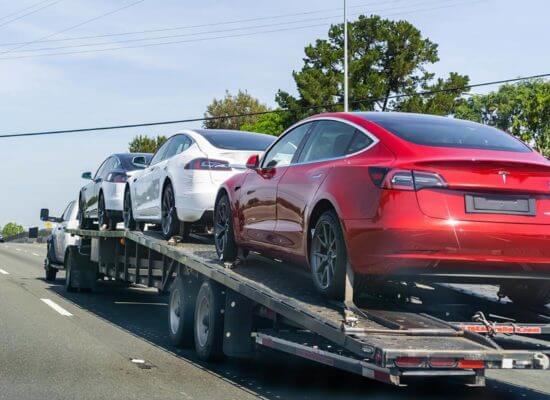
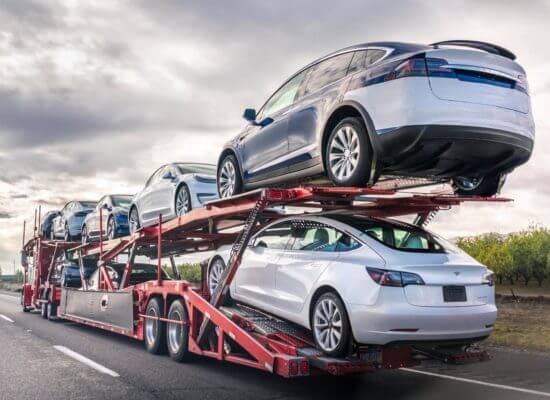
Best Ways to Ship a Car Across the Country in 2026: Your Stress-Free Moving Guide

Planning a major move this year? Relocating to a new state mixes excitement with a healthy dose of chaos – and somewhere between the packing tape and goodbye dinners, you still need to figure out what to do with your car.
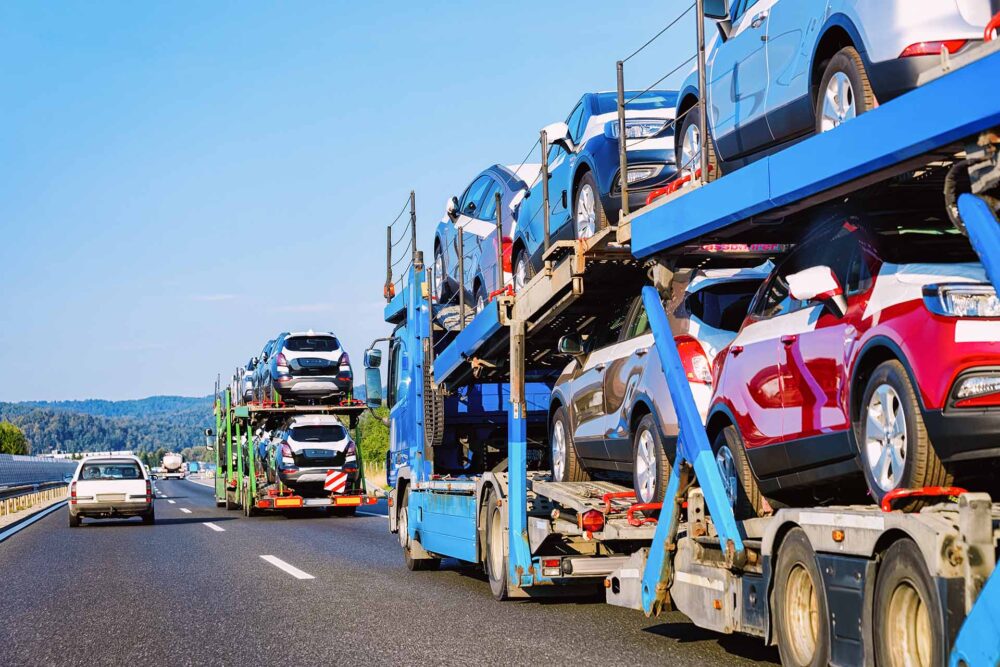
The good news: cross-country car shipping is faster, safer, and more transparent than it has ever been, so getting your vehicle to your new home shouldn’t be the thing keeping you up at night. In this guide, we’ll cover how modern auto transport actually works in 2026, what it costs, and why letting the pros handle it beats a five-day road trip. And we’ll show you how Flat Price Auto Transport keeps the whole process simple – from quote to delivery.
What Is Cross-Country Auto Transport, Really?
In plain terms, cross-country car shipping is a service that moves your vehicle long distances on specialized commercial carriers. Instead of you racking up miles, burning through fuel, and crashing in roadside motels for a week, a trained driver handles every mile.
Think of it as a private chauffeur for your car. You hand over the keys, your vehicle gets loaded onto a carrier, and a professional takes it from there. It’s the smartest way to skip the cross-country drive entirely – saving you time, gas money, hotel costs, and a whole lot of mental energy.
Over the last few years, the industry has matured significantly. Real-time tracking, instant digital quotes, electronic Bills of Lading, and tighter federal oversight have made auto transport one of the most predictable parts of a long-distance move.
How Car Shipping Has Changed for the Better
A few years ago, shipping a car across the country meant phone tag, vague pickup windows, and crossing your fingers. The modern experience looks different, and that’s good news for customers:
- Live GPS tracking is standard. Most carriers push location updates straight to your phone, so you can check in without playing detective.
- EV shipping is mainstream. Carriers have adjusted equipment, weight planning, and battery-charge protocols to handle electric vehicles safely.
- Digital paperwork everywhere. Bills of Lading, condition reports, and signatures happen on a tablet – no more lost paperwork or arguments about pre-existing scratches.
- Tighter regulations on brokers. Federal rules have cracked down on bait-and-switch quotes, which means honest pricing is finally the norm.
- Faster pickup windows. Smarter dispatch software has dropped the average wait between booking and pickup compared to just two years ago.
Less uncertainty, fewer surprises, more predictability from start to finish.
Why Drivers Choose Flat Price Auto Transport
When you’re handing your car over to a company, you need more than a truck and a promise. You need a team that takes your vehicle as seriously as you do. Here’s what makes us a name thousands of families trust each year:
- Flat rates, no surprises. The price we quote is the price you pay. No mid-trip fees, no fine print, no fuel surcharges added at delivery.
- Full insurance coverage. From the second your car is loaded to the moment it rolls off the trailer at your new home, it’s protected.
- Logistics handled for you. Our team plans routes, manages timing, and coordinates pickup and delivery so you can focus on everything else on your moving list.
- Real customer support. A friendly person picks up when you call. We give updates. We answer questions. We don’t disappear after you book.
- Vetted carrier network. Every driver we dispatch has been screened for licensing, insurance, and safety record – so you’re never matched with an unknown operator.
East Coast vs. West Coast: What to Expect Behind the Wheel
A cross-country move isn’t just a change of address – it’s a change in how you drive every day. If you’re heading from the open freeways of California to the tight, historic streets of Boston, the driving culture will feel completely different. The same goes in reverse: trading subway commutes in New York for daily highway driving in Phoenix takes some adjustment.
Here’s a quick side-by-side of what you can expect when you switch coasts:
| Driving Factor | West Coast (CA, NV, AZ) | East Coast (NY, MA, PA) |
|---|---|---|
| Highway Layout | Wide, multi-lane freeways built for high volume | Older highways, often narrower with tighter curves |
| Traffic Patterns | Predictable but heavy rush hours; cars dominate | Dense city congestion; heavy reliance on public transit |
| Weather Challenges | Sun glare, occasional heavy rain, desert heat | Snow, ice, salted roads, sudden seasonal swings |
| Parking | Generally roomy, with larger lots and driveways | Scarce in cities, with strict street parking rules |
A lot of people ask whether it makes more sense to sell their old car and buy a new one once they arrive. With today’s vehicle prices and dealership markups, the answer is almost always no. Bringing the car you already own – and already trust – is the cheaper, smarter choice in today’s market.
Auto-Transport
If your first concern is having your vehicle transported safely and efficiently, enclose shipping is the way to go.
Read more
Packing Services
Our moving teams are trained to pack your belongings in the most efficient manner possible.
Read more
Storage Service
Knowing what kind of surprises cross country move may hold, we offer 30 day free storage for belongings at the origin state.
Read moreHow Much Does It Cost to Ship a Car Across the Country?
Pricing is the first thing most customers want to know, and that’s fair. Every quote we send is built around your specific move, but here are the main factors that shape the final number:
- Distance. A 3,000-mile trip naturally costs more than a 1,000-mile one, though the cost per mile actually drops on longer routes.
- Vehicle size and weight. A compact sedan takes up less space on a trailer than a full-size pickup or a large SUV. Heavier vehicles cost more to haul.
- Transport type. Open carriers are the affordable standard; enclosed carriers cost more for added protection.
- Season. Late spring through early fall is peak moving season, when demand pushes prices slightly higher. Winter snowbird routes (Northeast to Florida, Midwest to Arizona) also see seasonal spikes.
- Route popularity. Shipments between major cities are usually cheaper than runs to remote, rural towns where carriers have to detour to reach you.
- Vehicle condition. Running vehicles cost less than inoperable ones, since non-running cars need a winch and special loading equipment.
To give you a better idea, here are a few rough estimates for standard open transport: Shipping a compact sedan from New York to Miami typically ranges from $700 to $950. Moving a mid-size SUV from Chicago to Los Angeles usually falls between $1,100 and $1,400, while a true coast-to-coast run (like Los Angeles to Boston) might cost between $1,400 and $1,800. Keep in mind, these are averages—your exact rate will depend on the factors above.
Want the exact number for your route? A quick quote takes less than a minute, and we’ll never pressure you to book on the spot.
How Long Does Auto Transport Take?
Patience pays off, but we move fast where it counts. Transit times depend on weather, traffic, and your specific route, but here’s what most customers can expect:
- 100 to 500 miles: 1 to 3 days
- 500 to 1,000 miles: 3 to 5 days
- 1,000 to 2,000 miles: 4 to 7 days
- 2,000 to 3,000+ miles: 7 to 10 days
Federal Hours-of-Service rules limit how many hours a driver can be on the road in a single day – and that’s a good thing for everyone’s safety. Add in weather, fuel stops, and other deliveries on the same trailer, and you can see why we quote a window rather than a precise hour.
Picking the Right Car Shipping Method for Your Vehicle
Open Auto Transport
This is the most popular and most affordable option in the industry. Your car rides on an open-air trailer – the same kind dealerships use to move new inventory. It’s a great fit for daily drivers, family SUVs, and most everyday vehicles. Your car is fully secured and safe, though it will be exposed to weather and road dust during the trip.
Enclosed Auto Transport
If you’re moving a classic car, luxury vehicle, exotic, or anything custom, enclosed transport is worth the extra cost. Your car rides inside a fully covered trailer, protected from rain, snow, road salt, and flying debris. It’s basically a moving garage. The price is higher, but for high-value vehicles, the peace of mind is worth every dollar.
Door-to-Door Car Transport
No one wants to drive across town to a terminal during a move. With our door-to-door service, our driver comes as close to your address as the truck can safely and legally reach – on both ends of the trip. You skip the extra leg, the rental car, and the hassle.
Expedited Auto Transport
Need your car there fast? Expedited shipping prioritizes your vehicle on the dispatch board, which means a shorter pickup window and quicker transit. It’s a great option for job relocations with tight start dates or military PCS moves with strict timelines.
How to Prepare Your Car for Shipping
A little prep on your end makes pickup smoother and helps protect your vehicle during transit. Here’s a simple checklist most drivers use:
- Wash your car before pickup. A clean exterior makes it easier to spot any pre-existing scratches or dings during the inspection.
- Remove personal items (with one exception). Carrier cargo insurance does not cover personal belongings left inside the vehicle. You are allowed to pack up to 100 lbs of soft goods (like clothing or bedding) securely in the trunk, but please note that you do so at your own risk if anything is lost or damaged.
- Take dated photos. Snap clear pictures of all four sides, the roof, and any existing damage. You’ll thank yourself later.
- Leave about a quarter tank of fuel. Enough for loading and unloading, but not so much that it adds unnecessary weight.
- Disable the alarm. A randomly chirping alarm on a 10-car trailer is no one’s idea of a good time.
- Check for leaks. Top off fluids and address any active leaks before pickup.
- Fold in mirrors and retract antennas if possible, to reduce the chance of damage in transit.
- Hand over only one key. Keep your spare with you, just in case.
Shipping an EV? Charge the battery to roughly 50% – enough to drive on and off the trailer without burning unnecessary range.
How Our Car Shipping Works: Three Simple Steps
We’ve kept the process straightforward so there’s no guesswork.
Step 1: Get a quote and book your spot. Fill out our online form or give us a call. Tell us the vehicle, the route, and your timing. We’ll send you a flat-rate quote with no surprises. Approve it, and your slot is locked in.
Step 2: Pickup at your door. Your assigned driver will call ahead. When they arrive, the two of you will walk around the car together and note its condition on the Bill of Lading. Sign the paperwork, hand off the keys, and the rest is on us.
Step 3: Delivery at your new place. As the truck gets close to your destination, the driver will call to coordinate drop-off. You’ll do a final walk-around, sign one last form, and you’re back on the road in your new city.
Popular Cross-Country Routes and What to Expect
Cross-country routes each have their own personality. Knowing a little about your route helps you set realistic expectations for transit time:
- I-95 (East Coast corridor). The busiest north-south route in the country. Heavy traffic around DC, Philadelphia, and New York, but otherwise efficient.
- I-10 (Southern transcontinental). Florida to California. Mostly clear of snow year-round, but heavy commercial traffic in Texas and slower stretches through the desert Southwest.
- I-40 (Mid-South route). Nashville to Albuquerque to Los Angeles. A favorite among carriers for its steady weather and good pace.
- I-70 / I-80 (Midwest crossings). Fast and efficient, but watch for crosswinds across Kansas, Nebraska, and Wyoming, plus winter snow risk.
- I-5 (West Coast corridor). Seattle to San Diego. Mountain passes can slow things down in winter, but it’s a straightforward run.
When you let us handle the drive, you skip several thousand miles of wear on your engine, brakes, and tires. You also dodge the risk of a breakdown somewhere unfamiliar, with no mechanic in sight. Instead, you fly into your new city, settle in, unpack a few boxes, and your car shows up rested and ready.
Common Mistakes to Avoid When Shipping Your Car
A few avoidable missteps trip up first-time customers every year. Steer clear of these and you’ll have a much smoother ride:
- Chasing the lowest quote. Suspiciously cheap quotes often come from brokers who can’t actually deliver at that price. You’ll end up with a delayed pickup or a sudden “price adjustment” right before transit.
- Not reading the Bill of Lading. This document is your proof of condition at pickup and delivery. Take the inspection seriously, and don’t sign anything you haven’t reviewed.
- Booking last-minute. Same-week bookings cost more and limit your options. Two to four weeks of lead time is the sweet spot.
- Skipping insurance verification. Always confirm the carrier’s coverage limits before pickup. A reputable company will share this without hesitation.
- Leaving valuables in the car. Even if soft goods are allowed, they’re not covered by cargo insurance. Don’t risk it.
- Ignoring delivery windows. Carriers run on tight schedules. If you’re not reachable, your delivery can be delayed or rerouted.
Ready for the Easiest Part of Your Move?
A cross-country relocation is a big deal – your car shouldn’t be the thing making it harder. Let Flat Price Auto Transport take this one off your list. We bring years of experience, smart route planning, real insurance backing, and a team that actually answers the phone, so your car arrives safely, on time, and right where you need it.
Reach out today for a free, no-pressure quote and check one big task off your moving plan.
FAQ
Can I leave personal items in my car during transport?
Most carriers prefer an empty vehicle for safety and weight reasons, but we typically allow up to 100 lbs of soft goods – like clothing, blankets, or bedding – secured in the trunk. However, keep in mind that carrier insurance does not cover personal items. Always avoid leaving anything heavy, fragile, or valuable inside the cabin or trunk.
Is my car insured during the trip?
Yes. Your vehicle is covered by the carrier’s cargo insurance from pickup to delivery. We only work with vetted, highly rated carriers who meet our insurance standards.
Can I track my car while it's in transit?
Absolutely. Reach our customer service team anytime, and you’ll also have direct contact with your assigned driver for real-time updates on location and arrival.
Do I have to be there for pickup and delivery?
You or a trusted adult – a friend, family member, or neighbor over 18 – needs to be present at both ends to sign the Bill of Lading and confirm the car’s condition.
How early should I book?
We recommend booking two to four weeks in advance when possible. That window gives our dispatch team room to match your car with the right carrier and lock in the best rate.
Can you ship an electric vehicle?
Yes, EVs ship just like any other car. We ask that the battery be charged to about 50% to make loading and unloading easy.
What if my car doesn't run?
We can still ship it. Just let us know during the quote so we can dispatch a carrier equipped with a winch. There’s a small additional fee for inoperable vehicles.
Can I ship more than one car at a time?
Definitely. Many families moving across the country book two or three vehicles together, and shipping them on the same trailer often comes with a discount.