Open vs. Enclosed Auto Transport: Which Is Worth the Extra 40% Cost?

Shipping your car across the country is already a big decision, and the moment you start comparing quotes, one thing becomes clear: enclosed transport costs noticeably more than open transport. We are talking about a difference of 30% to 50%, depending on the route, the carrier, and your vehicle. Before you dismiss the premium or assume it is just a sales tactic, it is worth understanding exactly what you are paying for, and what you are giving up if you skip it. At Flat Price Auto Transport, we believe the right choice depends entirely on the car you are shipping, not on the headline price.
What Is Open Auto Transport and Why Is It the Industry Standard?
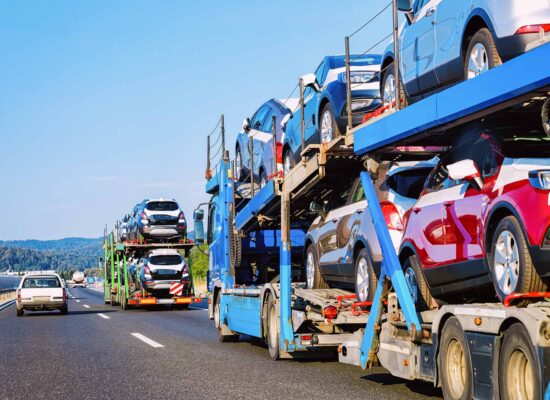
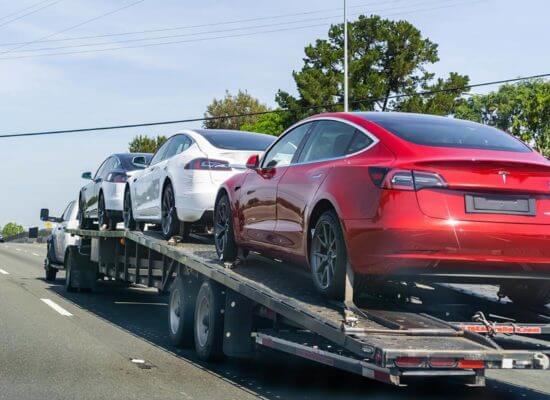
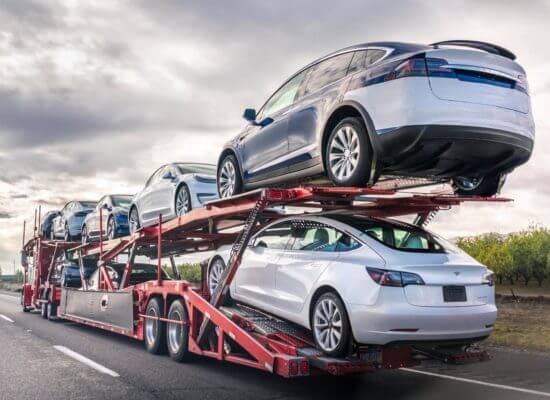
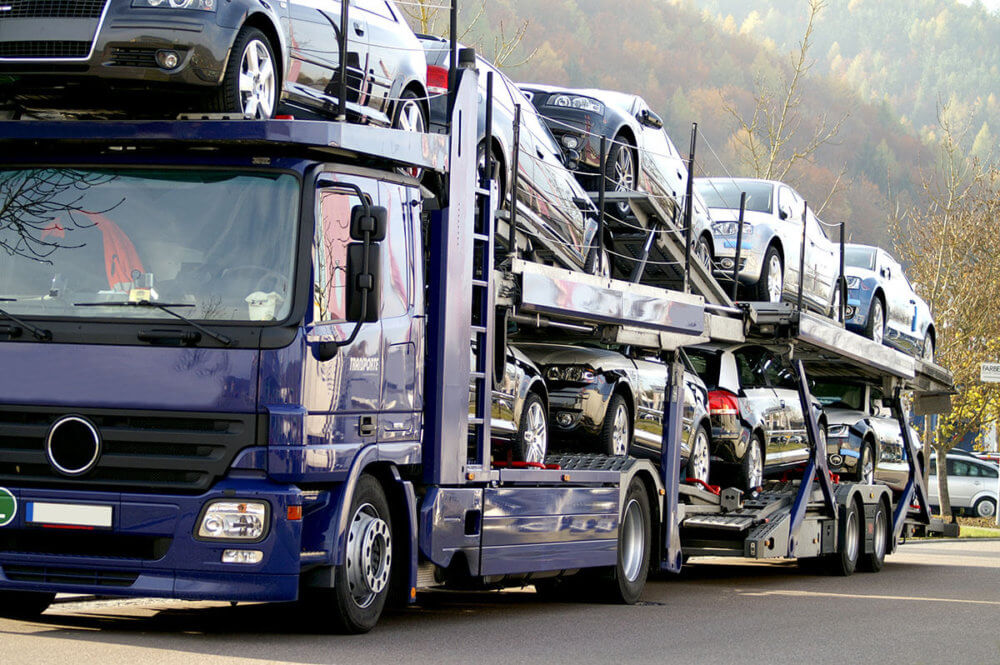
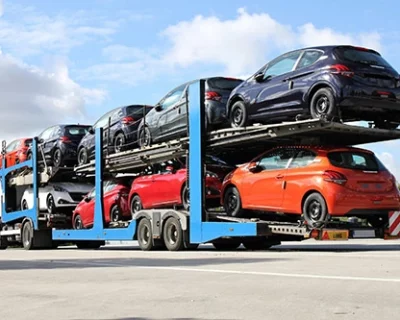
If you have ever seen a double-decker truck rolling down the interstate loaded with eight to ten cars, you have already seen open auto transport in action. It is the most widely used method in the vehicle shipping industry, accounting for over 80% of all car shipments in the United States.
How Open Transport Works
The loading process is straightforward. Vehicles are driven up angled metal ramps onto the trailer decks, then secured using over-the-tire soft straps that hold the car to the frame without causing damage. This is the modern standard in 2026. The old chain-to-frame methods that used to cause suspension damage are largely a thing of the past among reputable carriers.
What the method cannot change is exposure. Because there are no walls or a roof over the trailer, your vehicle travels completely open to the elements for the entire journey. Rain, highway dust, exhaust residue from other trucks, bird droppings, and the occasional pebble kicked up by passing semi-trucks are all part of the open-carrier experience.
This is not a safety issue for your vehicle’s structure. Major dealerships use open carriers every day to deliver brand-new cars to their lots. The car arrives undamaged in every meaningful sense. It will, however, need a wash.
When Open Transport Makes Complete Sense
For most everyday vehicles, open transport is the smart, economical choice. If your car is:
- A daily driver with standard wear and tear
- A vehicle under ten years old with no significant aftermarket modifications
- A model without low ground clearance or delicate body panels
- A car you are comfortable washing and inspecting upon delivery
…then open transport handles the job well, at the lowest possible cost.
What Is Enclosed Auto Transport and What Do You Actually Get for the Premium?
Enclosed auto transport uses a hard-sided, fully covered trailer to completely seal your vehicle from the outside environment. The number of vehicles per load drops significantly, typically carrying two to six cars rather than eight to ten. That alone explains a large portion of the price difference.
But the equipment upgrades go well beyond a roof.
1. Hydraulic Lift Gates
Low-clearance vehicles are the most obvious candidates for enclosed shipping, and this is the feature that makes it possible. Instead of driving up a steep angled ramp, the car is loaded onto a flat hydraulic platform that rests on the pavement. The platform then rises mechanically to meet the trailer deck at a perfectly level angle.
For a Porsche 911 GT3, a Chevrolet Corvette, a Ferrari, or any car with a carbon-fiber front splitter, the difference between this method and a standard ramp is the difference between a clean delivery and a repair bill.
2. Complete Environmental Protection
Inside a sealed enclosed trailer, your vehicle is protected from everything the highway throws at it. There is no sun exposure beating down on your paint, no rain, no road salt in winter, and no risk of flying debris. For classic cars with original factory paint, vintage convertibles with canvas tops, or custom vinyl-wrapped builds, this matters enormously. Some damage types, like UV bleaching or deep rock chips, are not immediately visible but accumulate over a multi-day cross-country haul.
- Climate Control
Many modern enclosed trailers in 2026 are equipped with climate-controlled interiors. This is particularly important for:
- Vintage leather interiors that crack under extreme humidity swings
- Original wood veneers and trim pieces
- High-capacity electric vehicle batteries that need to stay within optimal temperature ranges during a week-long haul
It is a feature you will rarely think about until the moment you need it.
4. Drip Guards and Fluid Protection
In a multi-level open carrier, if an older vehicle on the upper deck develops an oil or brake fluid leak during the journey, it drips directly onto the car below. Enclosed trailers designed for high-value vehicles include drip pans on the upper deck specifically to prevent this from happening. It is a small detail that makes a significant difference when you are shipping a freshly detailed classic.
5. Higher Insurance Coverage
The cargo insurance that enclosed carriers are required to carry is in a completely different category from what open carriers hold. Open transport policies typically cover $100,000 to $250,000 per load across all vehicles. Enclosed carriers routinely carry $1,000,000 or more per load, often with per-vehicle coverage limits that actually reflect the value of what they are transporting.
When you are shipping a vehicle worth six figures, the insurance structure alone justifies a significant portion of the premium.
Auto-Transport
If your first concern is having your vehicle transported safely and efficiently, enclose shipping is the way to go.
Read more
Packing Services
Our moving teams are trained to pack your belongings in the most efficient manner possible.
Read more
Storage Service
Knowing what kind of surprises cross country move may hold, we offer 30 day free storage for belongings at the origin state.
Read moreBreaking Down the Cost Difference
The price gap between open and enclosed transport is not arbitrary. It comes from a combination of economic realities that are straightforward to explain.
| Feature | Open Transport | Enclosed Transport |
|---|---|---|
| Trailer capacity | 8 to 10 vehicles | 2 to 6 vehicles |
| Equipment type | Standard commercial trailer | Climate-controlled, lift-gate trailer |
| Driver specialization | Standard CDL carrier | White-glove logistics specialist |
| Cargo insurance | $100K to $250K per load | $1,000,000+ per load |
| Arrival condition | Clean wash required | Showroom ready |
Because an enclosed trailer carries far fewer vehicles, every cost tied to that run, including diesel, tolls, driver time, and insurance premiums, is divided among a much smaller group of clients. You are also paying for a driver with a specific skill set. Enclosed transport specialists are trained to operate hydraulic lift systems and handle vehicles with values that can exceed the price of a house.
The premium is not markup for its own sake. It reflects the actual cost of providing a fundamentally different level of service.
The Vehicle Checklist: Does Your Car Need Enclosed Shipping?
If you are unsure where your vehicle falls, use this checklist. Enclosed transport is the right call if your car fits any of the following descriptions:
Classic and antique vehicles. Cars with original factory paint, rare replacement parts, vintage electrical systems, or significant collector value belong in an enclosed trailer. The exposure risks of open transport simply are not worth it.
High-end exotic and luxury cars. Ferraris, Lamborghinis, Aston Martins, McLarens, and top-trim Porsches require specialized handling and have ground clearance that makes standard ramp loading a genuine risk. These vehicles are also the ones where a single paint chip or undercarriage scratch causes the most financial damage.
Custom builds and restomods. If you have invested in a high-end paint job, a full vinyl wrap, or a widebody kit, you already know how expensive the bodywork was. Highway debris does not discriminate between a factory finish and a custom one.
Soft-top convertibles. Canvas and cloth convertible tops are far more vulnerable than a hard roof. UV exposure, rain, and the sustained wind pressure of highway speeds over several days can cause visible wear that would not occur on a standard vehicle.
Electric vehicles on long hauls. Battery thermal management during transport is an increasingly relevant concern. If your EV is traveling a long route in summer or winter, climate-controlled enclosed transport protects the battery from temperature extremes that can affect range and longevity.
Winter route shipments. If your car is being transported through states that use road salt or through mountain passes in winter conditions, the undercarriage exposure on an open carrier is a real concern, particularly for restored vehicles or those with custom finishes.
Bundling Auto Transport With Your Household Move
If you are relocating your entire household and your vehicle is valuable enough to require enclosed transport, the logistics get easier when you coordinate everything through a single provider. Trying to manage three separate companies, one for household goods, one for your daily driver, and one for your classic or luxury car, creates unnecessary complexity and leaves room for scheduling gaps.
At Flat Price Auto Transport, we work directly with clients who are managing full relocations, not just single-vehicle pickups. Coordinating your enclosed vehicle shipment alongside your household move means one point of contact, one schedule, and no moment where your car arrives three days before your furniture or vice versa.
It also means the same attention to detail applied to your enclosed vehicle transport gets applied to everything else in the move.
How to Prepare Your Vehicle for Transport
Whether you choose open or enclosed shipping, proper preparation protects you and ensures your insurance coverage is valid from the moment the driver takes custody of the car.
Wash the vehicle thoroughly before pickup. A clean car is the only way to accurately document pre-existing condition. The driver will complete a Bill of Lading inspection before loading, and if the car is dirty, minor scratches or paint chips may be missed or disputed later. A clean surface means a clear record.
Keep the fuel tank at one quarter full. DOT regulations and carrier safety standards require this. A full tank adds unnecessary weight to the trailer and creates a fire hazard. A quarter tank is enough to start the vehicle and drive it on and off the carrier without any issue.
Remove toll transponders or wrap them in foil. Automated toll readers along the highway will register charges as the carrier passes under scanners. Remove your E-ZPass, SunPass, FasTrak, or any other transponder, or wrap it in aluminum foil to block the signal.
Clear out all personal items from the cabin and trunk. Auto carriers are not licensed or insured to transport personal belongings. Loose items can also become projectiles during hard braking, damaging your interior from the inside. Everything that is not factory-installed should come out before the driver arrives.
Disable or adjust aftermarket alarm systems. Sensitive car alarms can be triggered repeatedly by the normal vibration of a moving trailer. Put your vehicle into transport or valet mode if the option exists, or disable the alarm entirely. A dead battery after two days on the road is an avoidable inconvenience.
The Bottom Line
Open transport is reliable, cost-effective, and the right choice for most standard vehicles. There is nothing wrong with choosing it for a car that does not require special handling.
Enclosed transport is not a luxury upgrade for its own sake. For the right vehicle, it is the most responsible financial decision you can make. When you are shipping a classic worth $80,000, an exotic worth $200,000, or a custom build you spent three years assembling, the cost of enclosed shipping is small relative to what you are protecting.
The question is not really whether enclosed transport is worth 40% more. The question is what your car is worth to you, and whether the savings from open transport justify the exposure.
At Flat Price Auto Transport, we give you a straight answer, not a sales pitch. Tell us what you are shipping, and we will tell you honestly which option fits. Request your custom quote today and get your vehicle to its destination the right way.
FAQ
Will my car get dirty on an open trailer?
Yes, and that is expected. Open transport exposes your vehicle to highway dust, rain, exhaust residue, and road debris over a multi-day journey. The car arrives structurally safe and undamaged, but it will need a wash. For a standard daily driver, this is a perfectly reasonable trade-off for a lower shipping cost.
Is enclosed shipping faster than open shipping?
Not usually. In some cases it takes slightly longer to secure an available enclosed carrier because there are fewer of them operating compared to large open-carrier fleets. Transit times on the road are comparable once the truck is loaded and moving.
Does my personal auto insurance cover damage during shipping?
Typically, no. Personal auto policies do not cover vehicles while they are in the legal custody of a commercial carrier. This is exactly why enclosed carriers are required to hold high-value cargo insurance policies. Before any shipment, request an official Certificate of Insurance from your carrier. At Flat Price Auto Transport, we provide this documentation as a standard part of every booking.
Can I pack belongings in the trunk to save on moving costs?
No. DOT regulations prohibit auto carriers from transporting household goods, and weigh stations along the route monitor trailer weights carefully. The carrier’s cargo insurance covers only the vehicle itself. Anything packed inside is uninsured and potentially a safety issue. Use a licensed moving service for personal items.