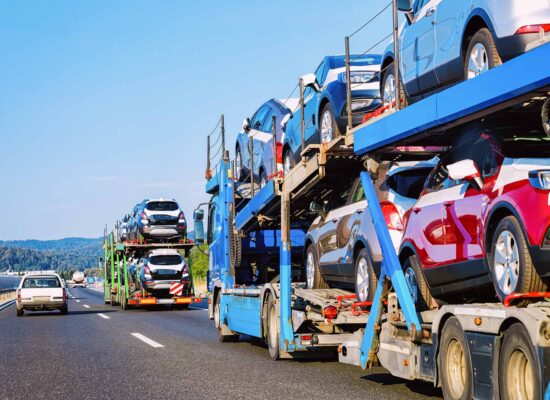
The “Bring a Trailer” Era: Bringing Your Online Dream Car Home Safely

The thrill of winning an online car auction is something most enthusiasts never forget. You have spent weeks refreshing digital marketplaces, studying pricing history, and zooming into high-resolution photos. Then the countdown ends, and the screen confirms it: Auction Won.
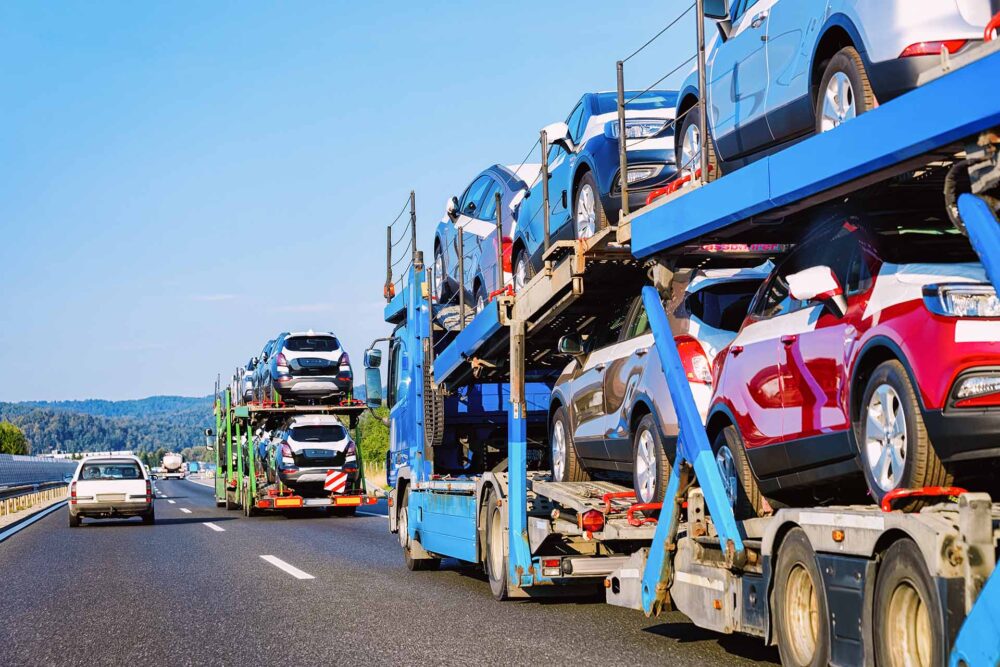
The excitement fades quickly, though, when you realize your new car is sitting thousands of miles away. Getting it home safely is where professional cross-country car shipping becomes not just useful, but necessary.
Why Buyers Are No Longer Shopping Locally
The internet did not just change how people communicate. It completely reshaped how vehicles are bought and sold. A buyer in Chicago can now outbid someone in Houston for a pristine desert-stored classic without ever leaving their living room. The entire country has become one large, connected showroom.
This shift toward national vehicle sourcing is not a trend. It is the new standard. And for good reason.
Rare Specs Are Almost Never Local
Most buyers chasing a specific factory trim, a manual transmission variant, or a limited-run color combination already know the truth: that car is probably not within fifty miles of home. Expanding your search nationally is the only reliable way to find exactly what you want without compromising on specifications.
Rust-Free Vehicles Require Going South
If you live in a northern state, structural corrosion is your biggest enemy when shopping used. Buyers who understand this actively target the dry, arid climates of the American Southwest. Vehicles stored in Arizona, Nevada, and New Mexico for decades often look cleaner underneath than five-year-old cars from Michigan. The math is simple: no moisture, no road salt, no rust.
Regional Price Differences Are Real
A pristine convertible may command a steep premium in Southern California but sit unsold and underpriced in a colder northern market during the off-season. Savvy buyers treat the national market as a tool for capturing regional pricing gaps. Shopping broadly is not just about finding the right car. It is about finding the right price.
The “Fly-and-Drive” Fantasy: Why It Rarely Works Out
Once the purchase paperwork is signed, the most romantic idea in any enthusiast’s mind is booking a one-way flight, picking up the car, and driving it home across the country. It sounds like an adventure. In reality, it is one of the riskier decisions a buyer can make.
You Are Driving an Unverified Vehicle
No matter how thorough the auction listing photos are, a newly purchased secondhand vehicle is still an unknown quantity. A car that starts cleanly and drives well around the block can fail spectacularly on a 1,500-mile highway run. Cooling hoses, fuel pumps, aging electrical systems, and worn wheel bearings often reveal themselves under sustained load, not during a short test drive.
A mechanical failure in an unfamiliar city is stressful, expensive, and completely avoidable.
Paperwork Across State Lines Gets Complicated Fast
Driving a recently purchased out-of-state vehicle requires valid temporary transit tags, insurance coverage that satisfies the laws of every state you pass through, and a clear title situation. A routine traffic stop in a transit state with incomplete or misunderstood documentation can result in the vehicle being impounded. That is not a hypothetical risk. It happens.
Every Mile You Drive Costs You Money
This point tends to surprise buyers who have not thought it through. When you purchase a low-mileage or collectible vehicle, its value is directly tied to the odometer. Adding 1,500 to 2,000 highway miles in a single weekend does not just wear the car. It moves it into a lower valuation bracket and reduces what you can ask for it when the time comes to sell.
Beyond mileage, consider what high-speed highway driving does to a vehicle cosmetically:
- Stone chips accumulate on the front bumper, hood, and fenders at highway speeds
- Windshields absorb debris impacts that lead to cracks requiring full replacement
- Low-clearance aerodynamic components and front splitters are vulnerable to road debris and tire treads
For a classic car with original factory paint, any of these outcomes can be genuinely costly. A professional respray hurts both the vehicle’s financial value and its historical originality.

Why the Arizona and Scottsdale Market Is a Collector’s Best Source
Understanding where the best preserved vehicles come from helps explain why long-distance vehicle relocation has grown into such a professional and established industry.
The desert Southwest, and specifically the Phoenix and Scottsdale area of Arizona, has earned a well-deserved reputation as the premier source market for collector automobiles. The climate is the reason. Low humidity, minimal rainfall, and the complete absence of road-salting programs mean that vehicles in this region do not experience the moisture-driven oxidation that destroys sheet metal elsewhere.
A classic car stored in an Arizona garage for forty years can emerge with a structurally clean chassis. That is not an exaggeration. It is a documented reality that explains why Scottsdale hosts some of the world’s most respected live collector car auctions year after year. Buyers from across the country and internationally travel there specifically because the inventory is simply better preserved than what they can find at home.
Auto-Transport
If your first concern is having your vehicle transported safely and efficiently, enclose shipping is the way to go.
Read more
Packing Services
Our moving teams are trained to pack your belongings in the most efficient manner possible.
Read more
Moving Services
Whether you are moving from New York to Los Angeles or from San Francisco to Chicago, we can help you.
Read moreThe Rust Belt Reality: Where These Cars Are Going
On the opposite end of the environmental spectrum, the upper Midwest cities, including Chicago, Detroit, Cleveland, and Minneapolis, represent some of the largest concentrations of serious automotive collectors in the country. They are also the cities where locally sourced used vehicles suffer the most.
If you are considering moving to a new state in the Midwest, or already live there and are serious about your vehicles, you already know what the winters do. Heavy snowfall, freezing rain, and sub-zero temperatures trigger months of aggressive road salting. That salt spray does not stay on the road. It clings to the undercarriage, wheel wells, and rocker panels of every car that passes through it. The oxidation that follows is not slow. It is progressive and often irreversible.
This is precisely why serious Midwestern collectors almost never buy locally. Instead, they do their sourcing from Arizona and ship their vehicles home professionally. Car shipping from Arizona to the Midwest has become one of the most common routes in the country for exactly this reason.

What Professional Auto Transport Actually Provides
This is where a company like Flat Price Auto Transport earns its place in the process. When you hire a licensed, insured transport carrier, you are not just paying for a truck and a driver. You are hiring a logistics partner who protects your investment from the moment it leaves the seller’s hands to the moment it arrives in yours.
The Condition Report: Your Legal Protection
When a professional driver arrives at the pickup location, the first thing they do is conduct a thorough physical inspection of the vehicle before it moves anywhere. This inspection is recorded in a formal Condition Report.
Every existing scratch, paint chip, ding, or interior wear mark is documented. For a buyer who is purchasing completely sight-unseen, this document is invaluable. It establishes the exact cosmetic state of the vehicle before transit begins. If any new damage occurs during transport, the carrier’s cargo insurance covers it, and the Condition Report is the evidence that supports your claim.
Open vs. Enclosed Transport: Choosing the Right Option
Not every vehicle requires the same level of care during shipping. The right choice depends on the value, rarity, and condition of your specific car.
| Open Transport | Enclosed Transport | |
|---|---|---|
| Best for | Daily drivers, standard vehicles, project cars | Exotic cars, vintage classics, high-value investments |
| Protection | Exposed to weather and road dust | Fully shielded from elements and road debris |
| Cost | Economical, widely available | Premium pricing for premium protection |
| Loading | Standard tie-downs | Lift-gate loading, soft-tie wheel straps |
For most collector vehicles, enclosed transport is the right answer. The additional cost is modest compared to the value being protected, and the peace of mind is genuine.

Coordinating Your Full Relocation: Vehicles and Household Together
The need for professional long-distance vehicle relocation extends well beyond auction buyers. If you are relocating your entire household across the country, trying to simultaneously manage your furniture, your family, and two or three vehicles is an exercise in logistical stress.
Driving your own cars while a moving truck handles everything else sounds manageable until you map it out. You are still adding thousands of highway miles to vehicles you own, and coordinating arrival times across multiple drivers becomes a scheduling problem quickly.
Flat Price Auto Transport works alongside full-service long-distance movers to ensure that your vehicles and your household goods arrive at your new address on a coordinated timeline. You pack, you travel, and your cars are handled professionally.
Preparing for a Cross-Country Move: Practical Steps
If you are planning a full cross-country relocation, a few steps will save you considerable time and money:
- Build an accurate cost guide for cross-country moving that includes both household freight and vehicle transport from the start, not as an afterthought
- Research best neighborhoods in Chicago or your destination city early, paying attention to garage availability if you are moving winter-stored classics into a Rust Belt climate
- Declutter before packing to reduce your total shipping weight and cost
- Transfer utilities and update your address at least two weeks before your move date
- Bundle your vehicle shipping with your household move to take advantage of coordinated pricing
These are not complicated steps, but they are easy to overlook when the logistics of a big move start compressing your schedule.
Choosing Professional Transport Is the Logical Final Step
The “Bring a Trailer” era has made it genuinely possible to find the right car anywhere in the country. The sourcing side has never been easier. Getting your vehicle home without adding miles, risking mechanical failure, or absorbing cosmetic damage is a separate problem, and it is one that professional transport solves reliably. Whether you are shipping a single collector car from Scottsdale or coordinating a full household relocation from the West Coast, Flat Price Auto Transport has the experience and the network to handle it.
FAQ
What factors affect the cost of long-distance vehicle relocation?
The main variables are transit distance, time of year, vehicle size and weight, and whether you select open or enclosed transport. Bundling vehicle shipping with a household relocation often qualifies you for coordinated pricing that is lower than booking each service separately.
How long does cross-country car shipping take?
For a route covering 1,500 to 2,500 miles, such as car shipping from Arizona to the Midwest, the standard transit window is five to nine business days. Federal regulations govern driver hours of service, and carriers factor in weather conditions along the route.
Why choose enclosed transport for an online auction purchase?
Enclosed trailers provide complete protection from highway debris, weather, road salt spray, bird droppings, and industrial fallout. For any vehicle with original paint, low mileage, or significant collector value, enclosed transport is the professional standard.
What is a Condition Report, and why does it matter?
A Condition Report is a legally binding inspection document completed by the transport driver at pickup. It records every pre-existing cosmetic and structural detail on the vehicle. If any damage occurs during transit, this document is your evidence for a cargo insurance claim.
Can I ship personal items inside the vehicle?
Department of Transportation regulations prohibit carriers from hauling household goods inside vehicles being transported on public highways. Most carriers will allow up to 100 pounds of spare parts or secured items in a locked trunk. Always confirm with your specific carrier before loading anything.