What Size Moving Truck Do I Need for a 4-Bedroom House – A Comprehensive Guide

The greatest fear many face on relocation day is discovering that the truck they rented is too small. So, to avoid this horror scenario, it’s natural to ask what size moving truck do I need for a 4-bedroom house. A good rule of thumb is to select a vehicle slightly larger than you think necessary so you won’t have to leave something behind or make two trips. So, given the complexities of relocations, it’s often smarter to leave everything to professional movers.
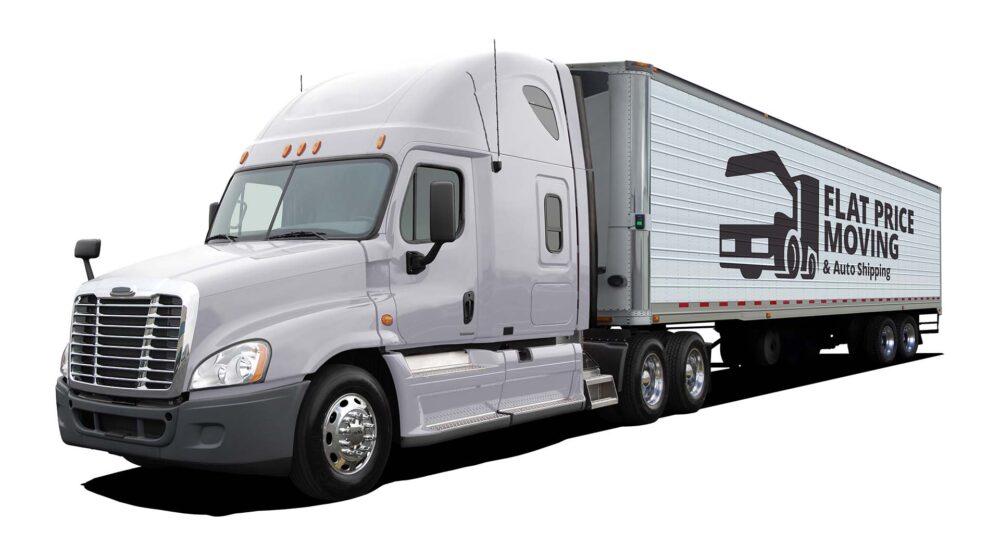
What Size Moving Truck Do I Need for a 4-Bedroom House?
Relocating to a new home is an exciting adventure. However, cross-country moving comes with its set of challenges, one of which is selecting the right size relocation vehicle for a 4-bedroom residence.
Its dimensions can make the difference between a smooth, one-trip journey and the need for multiple trips.
That’s why you have to assess your needs and sort through the belongings so you can meet their size requirements. Moreover, explore different vehicle dimensions so you can make an informed decision. Plan how you will load the trailer and maximize space for an efficient relocation. However, if you find this overwhelming, hire an auto transport company for the job and let them take care of the rest.
Assess Your Moving Needs by Estimating the Number of Things to Be Moved
To efficiently plan this relocation, start by estimating how much space your belongings will require in the trailer. Begin by cataloging every item, from large furniture to small decorative pieces. Measure the larger items to get a sense of the space they’ll occupy.
It’s also wise to downsize the household. Declutter items that don’t spark joy in you or donate them to charities. This can significantly reduce the load and potentially save you money on relocation costs.
It’s best to create a detailed inventory list, categorizing items by room and their dimensions. This process helps you organize everything and pack belongings more systematically.
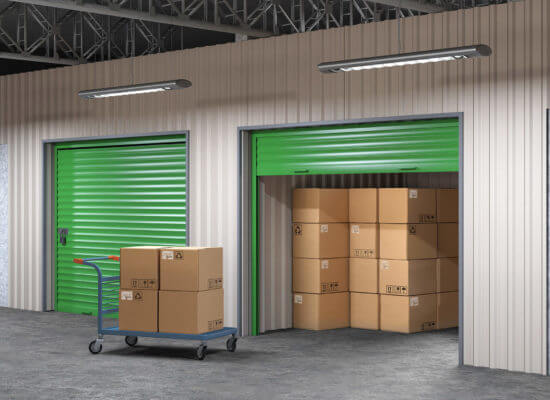

Sort Through Different Types of Items So You Can Meet Their Space Requirements
Sorting belongings by type helps with organizing and stacking efforts. Focus primarily on the large furniture and appliances that often dictate much of the space allocation in the trailer. These typically include sofas, beds, couches, dining tables, refrigerators, and washing machines. Here are some special considerations for extra bulky and delicate items:
- Pianos – Ensure that a piano is properly secured and placed in a location where movement is minimal, as its internal components are sensitive.
- Large-screen TVs – These should be transported in their original packaging if possible. If this is missing, wrap and secure the TV with padded blankets to prevent screen damage.
- Outdoor equipment – Items like lawn mowers and grills should be cleaned, with fuel removed, and packed securely to avoid oil or dirt transferring to other belongings.

Explore Different Truck Sizes and Capacities
When preparing for DIY relocation, you should know that the trucks are typically measured in cubic feet, indicating how much volume they can accommodate. Knowing the average moving truck size is essential to ensure all your belongings fit comfortably and securely. These are the most common ones:
- A 10-foot vehicle is best suited for a 1-room apartment or studio. It can handle about 400 cubic feet of belongings, making it ideal for small long-distance relocations.
- A 20-foot vehicle is ideal for 2-3 bedroom homes. This mid-size option can hold approximately 1,000 cubic feet of items, providing a balance between space and manageability.
- A 26-foot vehicle is perfect for larger 3-4 bedroom residences. It offers about 1,400 cubic feet of space. This vehicle is designed to transport all household items in as few trips as possible.

What Does a 26-Foot Trailer Offer
These dimensions offer ample space to comfortably accommodate large furniture pieces, appliances, boxes, and other household items. This makes it ideal for larger homes. The increased capacity allows you to fit more of the stuff, which can significantly reduce the number of trips required to transfer everything (ideally down to just one).
Additionally, fewer trips can lead to savings on rental time, fuel, and other associated costs, making it a cost-effective option for substantial relocations. This vehicle ensures efficiency and aids in a smoother and more streamlined transition experience.

Expert Packing Strategies to Maximize Space in the Large Moving Truck
Efficient packing is essential for maximizing the usage of the available space in a large trailer and ensuring the safety of belongings during shipping. Start by using the right packing materials like sturdy boxes, bubble wrap, clean paper, padding, and duct tape. Proper supplies and boxing-up techniques will protect the items and help in filling up the space effectively.
Disassemble large furniture pieces such as bed frames and tables to save space and ease transportation and handling. Strategically stack boxes by placing heavier ones at the bottom and lighter ones on top to maintain balance and prevent damage.
Loading Tips for Optimal Space Utilization
Effectively loading a relocation truck involves careful arrangement and strategy. Begin with heavy and large items, positioning them against the truck’s walls. This approach stabilizes the load and protects smaller items.
Fit boxes in between furniture, ensuring they are snug to avoid shifting during transport. Utilize soft items like pillows, mattresses, or blankets to fill empty spaces, providing additional cushioning and stability for belongings.

Follow This Professional Moving Truck Advice So You Can Avoid Making These Common Mistakes
Choosing a relocation vehicle that is too small for a 4-bedroom house move can lead to several challenges. Not only might you end up making multiple trips, which increases the cost and relocation duration, but overloading a trailer can lead to damaged belongings and accidents.
The challenges of DIY relocations are significant and can lead to many mistakes. Simply put, without professional guidance, you may struggle with optimal packing, truck loading, and logistics management. These risks highlight why expert assistance is not just a convenience but a necessity.

Auto-Transport
If your first concern is having your vehicle transported safely and efficiently, enclose shipping is the way to go.
Read more
Packing Services
Our moving teams are trained to pack your belongings in the most efficient manner possible.
Read more
Moving Insurance
Flat Price Moving and Auto Transport Company offers moving insurance to cover potential damages
Read moreProfessional Long-Distance Movers Know How to Choose the Right Moving Truck Capacity
Relying on professional long-distance movers to select the right relocation vehicle can significantly enhance the efficiency and safety of the entire relocation. These experts have the experience to accurately assess the size and nature of your belongings. This way, they can ensure that the trailer’s capacity perfectly matches your needs.
By utilizing their knowledge, you can avoid the common pitfalls of underestimating or overestimating the required space. These mistakes can lead to increased costs, additional trips, or damage to belongings. Professional movers provide valuable insights that optimize logistics, reduce stress, and ensure a smooth transition to the new home.

Explore Additional Long-Distance Moving Services They Offer
Trust us, when it comes to long-distance relocations, finding the perfect fit is everything. Flat Price Auto Transport and Moving is a company that offers additional options like full packing services and furniture disassembly and assembly. Our team knows how to decide what items should be broken into smaller pieces for a safer loading process.
Comprehensive moving services bring multiple benefits. Reliable relocation teams use quality supplies, equipment, and strategies to ensure the utmost safety of your stuff. Moreover, trustworthy movers will offer you additional perks, like 30 days of free storage services. This is a perfect solution if the new home is not ready. Storage facilities are clean, monitored around the clock, and climate-controlled. So when the home is finally ready for moving in, give movers a call, and your belongings will be on their way.

Our Long-Distance Moving Company Knows How to Pick Just the Right Vehicle to Make This Transition a Breeze
Choosing the right vehicle for the relocation is a smart choice that offers convenience and efficiency. With the right pick and starting with planning on time, you’re setting yourself up for a stress-free transition. The only thing that could make this journey more efficient is booking a car shipping company for the job.
Flat Price Auto Transport and Moving knows how to make this adventure a breeze. Our experts are trained to stack belongings securely and efficiently and that way maximize space in the relocation vehicle. So, contact us today and let our team do the heavy lifting and take care of everything.
Frequently Asked Questions
How Do I Calculate the Size of the Moving Truck I Need?
To calculate the right truck size for a 4-bedroom house, estimate the total cubic footage of your belongings and match it to standard moving truck capacities. A typical 4-bedroom home usually requires a 26-foot moving truck, which offers around 1,700 to 2,200 cubic feet of space. Consider large furniture like beds, appliances, and dining sets when estimating volume. Many moving companies offer online calculators for accurate measurements. Don’t forget to factor in outdoor or garage items. Using volume-based truck estimates ensures you choose the right size without running out of space.
What if My Belongings Don’t Fit in One Moving Truck?
If your items don’t fit in a single moving truck, you can rent an additional truck or schedule multiple trips. Professional movers often recommend an extra truck for bulky or irregularly shaped furniture. It’s better to have slightly more space than to cram items into one truck. Overloading can cause shifting and damage during transit. Ask your mover for help estimating load capacity. Planning adequate truck space keeps your move safe and efficient.
Can I Use Multiple Smaller Trucks for a Large House Move?
Yes, using multiple smaller trucks can be a practical option for a 4-bedroom move, especially if large vehicles can’t access your property. Smaller trucks are easier to maneuver in tight spaces and drive on narrow roads. However, multiple trucks might increase rental and fuel costs. Coordinate timing so both trucks arrive and load together for efficiency. Always balance weight evenly to prevent shifting. Choosing flexible moving solutions ensures your relocation runs smoothly.
How Do Professional Movers Estimate the Correct Truck Size?
Professional movers determine the right truck size based on home size, inventory lists, and cubic footage of household goods. For a 4-bedroom home, they often recommend a 26-foot truck. Movers use software or on-site assessments to measure volume accurately. They also consider heavy appliances or outdoor equipment that require extra space. This ensures everything fits safely without overcrowding. Relying on expert load assessment guarantees the most efficient truck size for your move.
What Should I Do if I Have Special Items That Require Extra Space?
When moving a 4-bedroom house with special items like pianos, gym equipment, or antiques, discuss these with your movers before choosing a truck. They might suggest custom crating, special racks, or additional protective measures to accommodate items like artwork, musical instruments, or electronics. This ensures that these valuables are transported safely and securely and reach you in impeccable condition.
What Size Moving Truck Is Usually Recommended for a 4-Bedroom House?
Most 4-bedroom homes need a 26-foot moving truck, offering enough room for about 10,000 pounds of furniture and boxes. This size accommodates roughly 1,700 to 2,200 cubic feet of space. It’s the same size used by most professional moving companies for large households. However, homes with more storage or outdoor furniture may need additional space. Double-check capacity before renting. Selecting a standard full-size truck provides ample room for most 4-bedroom relocations.
How Early Should I Reserve a Moving Truck for a 4-Bedroom Move?
You should book your moving truck at least 4–6 weeks before your scheduled moving date to guarantee availability. Larger trucks, such as those for 4-bedroom homes, are in high demand during peak moving seasons. Reserving early allows you to compare rates and secure the best deal. Waiting too long could result in limited size options. Provide accurate dates and details to your rental company. Early truck reservation planning ensures your moving day goes smoothly.
How Can I Maximize Space in My Moving Truck?
Maximizing space in a 4-bedroom moving truck involves strategic packing and stacking. Load heavy furniture first, followed by medium-sized boxes and lightweight items on top. Disassemble large pieces like bed frames and tables to save room. Fill gaps with small boxes, linens, or cushions. Use straps to secure tall items and prevent shifting. Practicing efficient truck loading helps you fit everything safely without overcrowding.
What Are the Common Mistakes People Make When Choosing a Moving Truck Size?
A common mistake when moving a 4-bedroom home is underestimating how much space household items take. People often choose smaller trucks to save money, only to make multiple trips later. Overloading can also lead to property damage or safety issues. Always calculate based on cubic footage, not just truck length. Consulting a professional mover helps avoid guesswork. Avoiding truck size miscalculations saves time and reduces moving stress.
Should I Hire Professional Movers Instead of Renting a Truck Myself?
For large homes, hiring movers can simplify the process compared to managing a rental truck on your own. Professionals handle packing, loading, and driving, saving you time and effort. While it costs more upfront, it reduces risk of injury or property damage. Movers also have insurance coverage for added protection. If you prefer flexibility and lower cost, self-rental is still an option. Weighing convenience versus cost helps you decide the best route for your move.