How to Pack a Chair for Shipping – A Comprehensive Long Distance Guide

It has been recorded that the first reference to a chair was made approximately 5,800 years ago in Egypt. Nowadays, there are numerous versions of chairs that stem from the first branch structures with backrests. Here, in our guide on how to pack a chair for shipping, you can find out the ultimate way to protect this precious piece of furniture that no home can do without.
How to Pack a Chair for Shipping?
Explore essential tips for packing chairs for shipping efficiently.
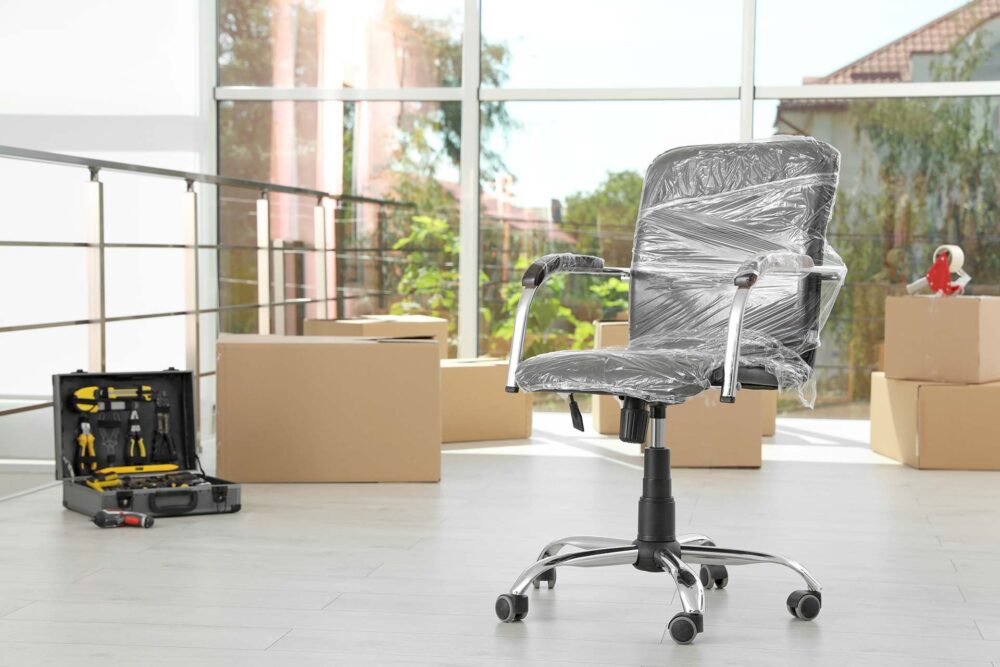
Start by evaluating the vulnerability of the seating and gather the appropriate packing materials, such as bubble wrap and corrugated cardboard.
Clean and prepare the pieces properly, and dismantle the structure if needed. Wrap each component with care, paying extra attention to fragile areas.
Secure the legs firmly and reinforce them with additional supplies for added protection.
Don’t forget to add to the to-do list to label each package clearly and document its condition pre-shipment. With these valuable tips, you’ll be packing fragile furniture easily and ensuring a smooth relocation process.
Specifics of Shipping Different Types of Chairs – What Do You Own?
Whether you own office chairs, recliners, dining chairs, or gaming chairs, each presents unique challenges when it comes to packing for relocation. Assessing the chair’s vulnerabilities before packaging is essential to avoid moving mistakes.
Learn about the specific requirements of each type so you can find out the easiest way to pack them. From disassembling office chairs to securing movable parts in gaming chairs, here are crucial pieces of advice:
- Office chairs – Adjustable components need to be disassembled and wheels secured for transit.
- Gaming chairs – Wrap and secure the movable components individually to prevent any loss.
- Dining chairs – Utilize protective coverings on fabric seats to protect against spills and stains during transportation.
- Lounge chairs – Add extra padding to protect the upholstery and contemplate disassembling if the chair’s size poses challenges.
A smart tip is to find the original packaging the chair arrived in or the wrapping it came in. Sometimes, in these packagings, there is a leaflet or complete manual for disassembly or use. Read the information about the fragile and delicate chair’s spots. Remember, some pieces should not be removed since they would compromise the structure’s integrity. So, read the leaflet manual.

Find Necessary Supplies and Materials – Pack Like a True Pro
The selection of packing materials plays a crucial role in preventing things from breaking. No matter if you need to pack a gaming chair or a dining one, investing in high-quality materials is paramount. It’s not just about wrapping; it’s about cushioning, securing, and shielding chairs. Here’s a detailed list of recommended packing materials tailored to suit different types of chairs:
- Bubble wrap,
- Stretch wrap,
- Packaging paper,
- Strong tape,
- Furniture blankets,
- Plastic bags (for small parts and hardware),
- Corrugated cardboard sheets,
- Boxes of different sizes.

Moving Services
Whether you are moving from New York to Los Angeles or from San Francisco to Chicago, we can help you.
Read more
Packing Services
Our moving teams are trained to pack your belongings in the most efficient manner possible.
Read more
Auto-Transport
If your first concern is having your vehicle transported safely and efficiently, enclose shipping is the way to go.
Read moreHave a Couple of Tools Nearby
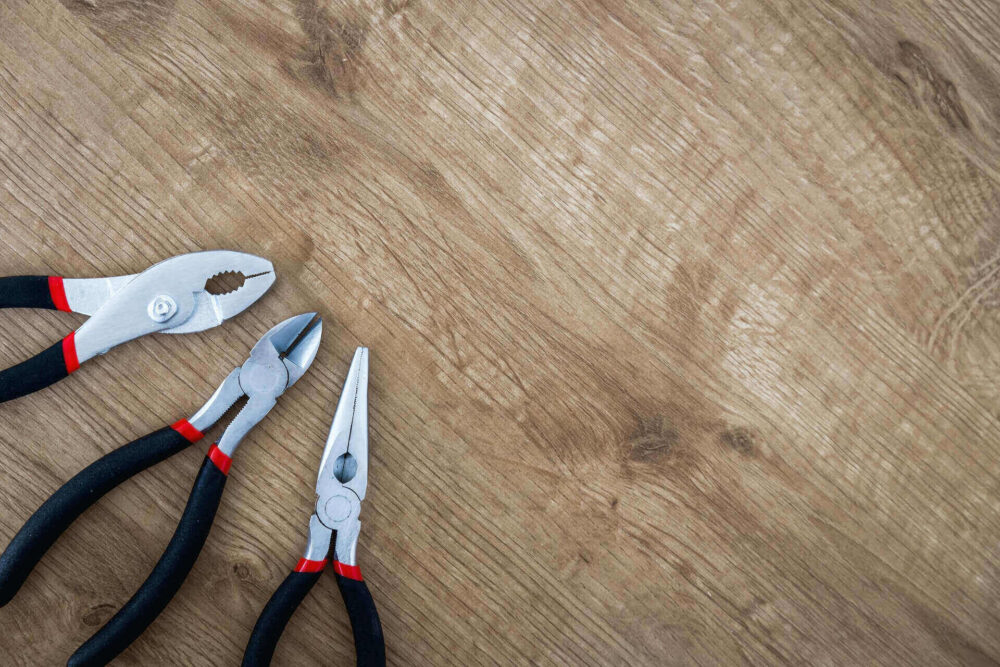
Having the right tools nearby can significantly improve your ability to pack efficiently and reduce stress. Quality tools not only make tasks quicker but also safer and more effective. A sharp box cutter is indispensable for adjusting box sizes, while tape guns help secure and even application of tape for well-sealed boxes.
Scissors are versatile tools for cutting paper, bubble wrap, and opening packages of supplies. On top of this, a marker for labeling and a measuring tape for assessing furniture dimensions are essential in organizing and preparing for the move. Gather necessary tools and keep them for moving day, they’ll come in handy.
Instructions and Packing Techniques for Moving a Chair
Discover comprehensive instructions and secure packaging techniques designed for moving chairs. From office chairs to lounge chairs and dining chairs, learn our expert tips on securing them for safe transportation.
Let’s go over several disassembly tips, cushioning methods, and other strategies to ensure the chairs arrive at their new destination intact. Stay tuned as we delve into the details of each strategy, empowering you to relocate with confidence and peace of mind.
Prepare It for the Relocation
If you are wondering how to pack office chair for moving, begin by detaching any removable components such as armrests, legs, and cushions. This size reduction not only facilitates easier handling and storage but also enhances the packing process.
It is essential to cleanse them from dirt and smudges during the move-out cleaning process to prevent any potential damage like scratches. Other types of chairs that cannot be disassembled should just be cleaned and inspected for any pre-relocation damage.
These steps guarantee that these pieces can efficiently be added to the relocation inventory, ready to furnish and decorate new spaces while maintaining their aesthetic and comfort.
Wrap the Pieces of the Chair in Protective Materials
When wrapping furniture for relocation, it’s vital to ensure each component receives the attention it needs for safe transport. If you don’t want to do this alone, organize a packing party, inviting friends or family to help with the process.
Concentrate on wrapping vulnerable areas like armrests, backrests, and any decorative elements thoroughly with bubble wrap and paper to protect them from impacts and scratches. For items with delicate details or fragile parts, add extra layers of protective material to preserve their integrity. This methodical approach allows for an organized move without relocation stress.
Secure the Chair’s Legs
Securing the legs of furniture items is essential for their protection, especially when they need to be ready for interstate moving. Each leg should be individually enveloped in a substantial amount of bubble wrap so they are completely covered from top to bottom.
This careful wrapping not only cushions against bumps and shocks but also prevents any scuffing that might occur. The bubble wrap should be fixed in place with strong tape, taking care to not apply the tape directly on the surfaces to avoid any damage to the finishes.
Reinforce Fragile Spots With Additional Supplies and Materials
When preparing items for relocation, particularly those with fragile spots like legs, delicate woodwork, and ornate details, reinforce these areas with additional supplies. Start by wrapping vulnerable spots with extra layers of foam padding or bubble wrap to provide a cushion against impacts.
Use corrugated corner protectors to shield corners and edges from potential dings and scratches. For pieces of significant value or historical importance, enveloping them in moving blankets offers an extra layer of protection. Detailed preparation guarantees that every piece is fortified and ready to be prepared for handling by the movers, thereby minimizing the risk of damage.
Place Everything in a Cardboard Box
components comfortably. Think about furniture shipping safety and add cushioning materials like packing peanuts at the bottom of the box to serve as a protective base.
As the components are placed inside, fill any gaps with additional cushioning materials, such as crumpled paper or foam padding, to prevent the contents from shifting and to absorb external shocks. This careful arrangement guarantees the safety of each item during transit.
Once everything is securely packed, seal the box with strong tape and attach relocation labels clearly indicating the contents and handling instructions, aiding in a smooth unpacking process.
Antique and Vintage Chairs Require Precise Handling
Antique and vintage chairs demand meticulous handling due to their delicate nature and value. To preserve them properly, using acid-free paper is recommended to prevent damage to their unique finishes.
Employing custom-built crates provides the ultimate protection, especially when moving cross country. For these irreplaceable items, enlisting a custom crating service from reputable long-distance movers allows for the chairs to be carefully managed throughout the transit.
It’s also advisable to clearly mark the crates as fragile and strategically place them in the relocation truck to minimize any movement, thus protecting these valuable pieces against potential harm.
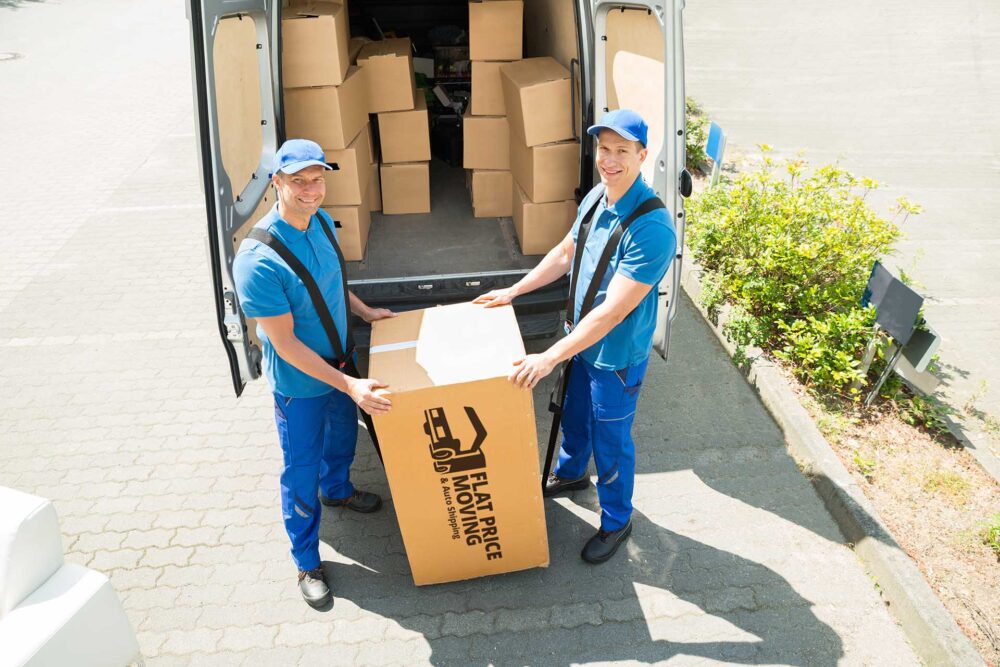
For Optimal Packaging, Hire Long Distance Movers
For optimal packaging, especially when dealing with valuable or delicate chairs, hiring cross-country movers is advisable. To find a long-distance moving company there are a lot of things one should do. For starters, it’s important to research the ones that offer exceptional long-distance moving services. These specialized movers provide a higher level of service, making sure that each item is carefully packed, handled, and transported.
Their expertise is particularly vital for items that require assembly, disassembly, or special care during relocation. With a car shipping company such as Flat Price Auto Transport and Moving, you’ll know that every piece will arrive in pristine condition.


Tips for Hiring a Reputable and Reliable Auto Transport Company
When hiring a long-distance moving company, one that offers storage, moving, and packing services, it’s important to check their credibility and reliability. Find their registration with the Federal Motor Carrier Safety Administration (FMCSA) and verify their legitimacy. Access their safety records and customer complaints on this site.
Look for companies with positive reviews and a strong reputation. Avoid red flags such as a lack of physical address, demands for large cash deposits before the move, or extremely low estimates. Always request detailed quotes and confirm that the company has comprehensive insurance to protect your belongings throughout the move.

Our Long Distance Movers Will Ship Your Chair Effortlessly
For a seamless and stress-free relocation of your cherished items, hiring our company ensures top-tier service. Specializing in careful handling and expert packing, we make sure your items, including delicate and high-value pieces, are safely transported. Also, we know exactly how to pack an office chair for shipping.
Our long-distance moving services cater to the unique needs of each possession, from packing with high-quality materials to utilizing custom-built crates. To ensure your items are managed with the utmost care and precision, contact Flat Price Auto Transport and Moving and experience effortless long-distance moving tailored to your needs.
Frequently Asked Questions About Packing Chairs
How Do I Choose the Best Packing Materials for Different Types of Chairs?
When preparing a chair for a long-distance move, the best materials depend on its design, size, and fragility. Use bubble wrap and foam padding for delicate wooden or antique chairs. Fabric or leather chairs benefit from plastic covers to protect upholstery from moisture or dust. Reinforced boxes or custom crates are ideal for added protection during transport. Always use packing tape strong enough to secure heavy materials. Choosing materials that match durability ensures your chair stays safe throughout the move.
What Are the Risks of Shipping a Chair Without Professional Help?
Shipping chairs without professional movers’ assistance carries several risks, including potential damage from improper packaging or handling errors. The absence of professional tools and techniques may lead to scratches, breaks, or structural harm, particularly for items with intricate details. On top of this, individuals might find it challenging to manage the logistics and physical demands of safely transporting such items over long distances.
How Can I Ensure My Chair Arrives in the Same Condition It Was Shipped?
To guarantee your chair arrives in perfect condition after moving, secure it with padding and support throughout the packing process. Disassemble removable parts such as legs or cushions before wrapping. Use foam or cardboard guards to protect corners and edges. Place the chair in a sturdy box with minimal empty space to prevent movement. Label the package as “Fragile” and note which side should face up. Following proper shipping procedures maintains your chair’s original condition during transport.
What Should I Do if My Chair Is Damaged During Shipping?
If your chair arrives damaged after moving, document the issue immediately by taking photos and contacting the shipping company. Save all packaging materials for inspection if you file a claim. Most professional movers or carriers provide limited liability coverage. Check their policies to understand compensation terms. For minor damage, you may be able to repair or refinish the piece locally. Acting quickly with clear damage documentation helps speed up resolution and reimbursement.
What Is the Best Way to Clean Different Types of Chair Upholstery Before a Move?
Before packing and shipping your chair, clean upholstery to prevent dirt or odors from setting during transport. Fabric chairs should be vacuumed and treated with mild upholstery cleaner. Leather chairs need a conditioner to maintain softness and prevent cracking. Let everything dry completely before wrapping to avoid mildew. Use breathable covers instead of plastic for fabric materials. Performing pre-move upholstery cleaning keeps your furniture fresh and protected during travel.
Should I Disassemble My Chair Before Packing It for Shipping?
Disassembling your chair before a long-distance move makes packing safer and easier. Remove detachable parts like legs, armrests, or cushions and wrap them individually. Keep screws and bolts in labeled bags. Disassembly reduces the chance of damage and saves space in the moving truck. Always refer to the manufacturer’s instructions when handling specialty furniture. Taking careful disassembly steps ensures reassembly is quick and stress-free.
How Can I Protect Antique or Wooden Chairs During a Long-Distance Move?
When relocating antique or wooden chairs, use thick padding and bubble wrap to prevent scratches and dents. Avoid plastic directly on wood surfaces—it can trap moisture and cause warping. Wrap the entire chair in a moving blanket, then secure it with tape or straps. For valuable antiques, consider crating for maximum safety. Transport these chairs upright to maintain balance. Investing in extra protective wrapping preserves both appearance and structure.
How Should I Label and Track My Chair During Shipping?
Proper labeling helps prevent loss or mishandling when shipping chairs across long distances. Clearly mark each box with “Fragile,” “Handle With Care,” and “This Side Up.” Add your name, destination, and contact information on the package. Request a tracking number from your shipping provider for real-time updates. Take note of the shipment’s estimated delivery date. Maintaining organized shipping information helps ensure a smooth, traceable relocation.
How Can I Save Money When Moving a Chair Long Distance?
To save on moving and shipping costs, compare quotes from multiple carriers before booking. Disassemble large chairs to reduce weight and size. Use your own packing materials if possible. Shipping multiple items together can also lower overall costs. Avoid expedited services unless absolutely necessary. Using cost-effective relocation strategies keeps your move efficient without compromising safety.
What Is the Best Way to Unpack and Reassemble a Chair After Shipping?
When your chair arrives after a move, unpack it in a clean, spacious area. Remove all wrapping materials carefully to avoid scratches. Check each part for damage before reassembling. Follow the original manufacturer’s instructions when putting it back together. Tighten screws evenly to ensure balance and stability. Performing post-move inspection and setup ensures your chair is ready to use immediately in your new home.